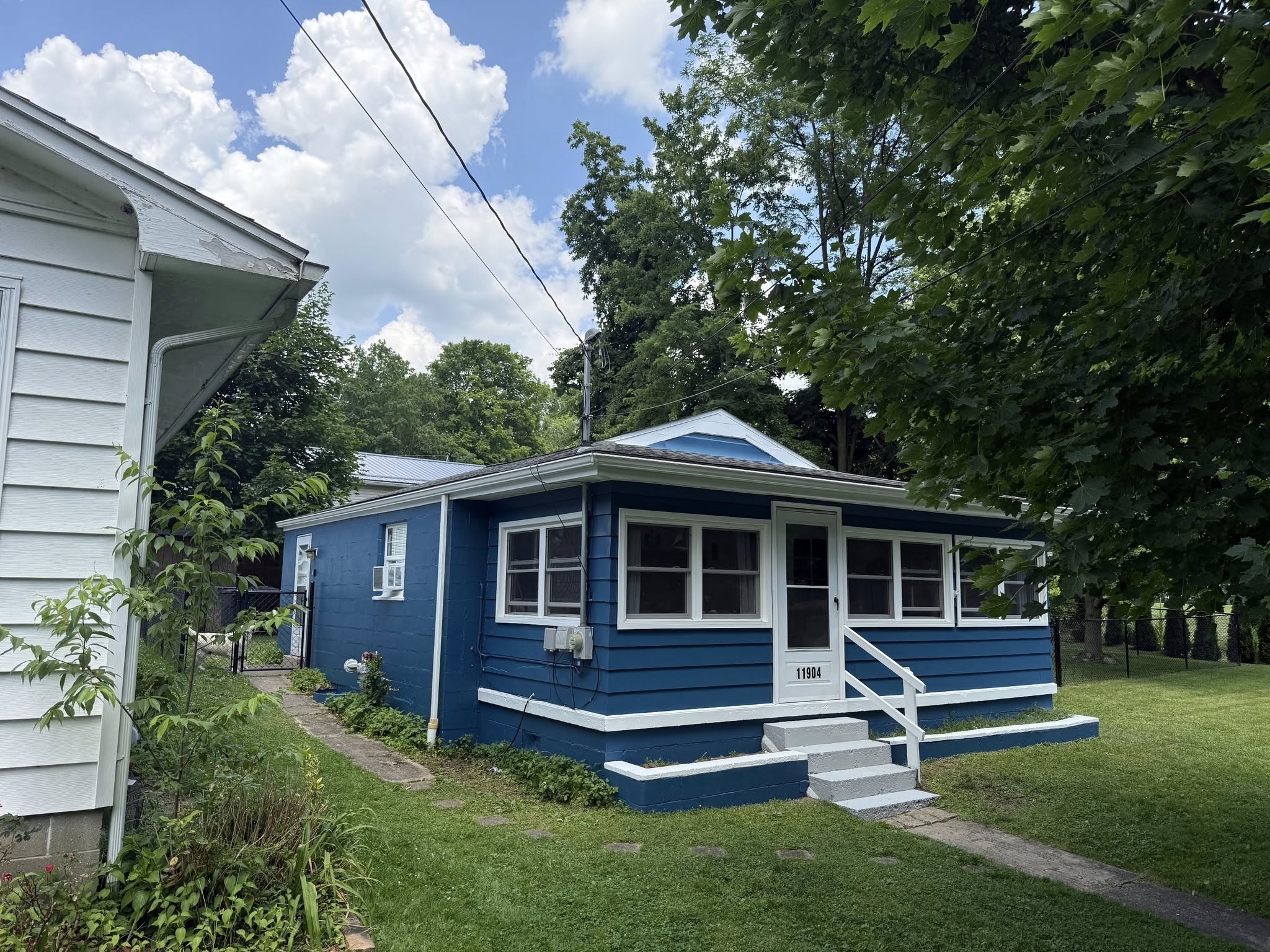
Choosing the Right Paint for Your Climate: Expert Advice from New Change Painting LLC Jul 29, 2026
First, consider the extremes of your climate. If you live in an area with high humidity, like Florida, or persistent moisture, like Seattle, moisture-resistant paints are vital. These paints not only help ward off potential mold and mildew but also enhance the longevity of the paint job. Look for paints labeled as mold-resistant or those that contain antimicrobial properties.
For those residing in regions with harsh sunlight, such as Arizona, it's imperative to select paint that can withstand intense UV exposure. Sunlight can cause paints to fade, crack, and peel. UV-resistant paints, typically found with acrylic or latex bases, are designed to endure sunlight while maintaining their color and integrity longer than conventional options.
Conversely, if you're in a climate that experiences severe cold or frequent temperature fluctuations, you'll need a paint that can stand up to expanding and contracting surfaces. Elasticity is key here, so choose paints formulated to be flexible, often advertised as “weatherproof” or “all-season.”
Another important factor is environmental sustainability. In today's eco-conscious world, choosing a low-VOC (volatile organic compounds) paint can be a healthier option for your family and the planet. These paints emit fewer toxins and odors, which is particularly beneficial if you're painting indoors. Moreover, modern low-VOC paints have evolved to provide excellent durability, even in various climates.
It's also worth discussing the impact of your color choice. Darker shades absorb more heat, causing potential problems like faster fading and increased heat retention, particularly in warmer climates. Meanwhile, lighter colors reflect heat, making them suitable for hot areas. However, keep in mind that lighter colors may show dirt more easily, necessitating frequent washes or touch-ups.
When considering exterior paints, think about their reflective properties and the surface you're working with. High-gloss or semi-gloss finishes can increase paint durability, making them good for frequently used or touched areas, such as doors or window frames. On the other hand, flat paint can better disguise imperfections, which might be ideal for older homes with less-than-perfect walls.
After narrowing down your paint options, the application process should not be overlooked. Always adhere to the recommended number of coats, as well as any primary or sealing instructions given by the manufacturer. Using high-quality brushes and rollers ensures an even application and can reduce the likelihood of streaks.
At New Change Painting LLC, we pride ourselves on guiding our customers through these choices to achieve optimal results that withstand the test of time and weather. Whether you're painting a freshly constructed home or refreshing an older one, considering the unique elements of your climate will lead to a more satisfying and long-lasting finish.
In conclusion, selecting the right paint for your climate involves understanding humidity levels, sunlight exposure, temperature extremes, and environmental impact. With these insights, you can make informed decisions that will safeguard your home’s aesthetic and structural integrity for years to come. Trust New Change Painting LLC for your painting needs, where expertise meets the art of quality home improvement.